
+61 234 567 8900
mail@shoesavvy.xyz
Get 10% Off
You know what I mean. Your feet start to hurt halfway through the day. You notice the balls of your feet burn, and every step feels like an insurmountable task.
Most of us have always acquiesced to the cost of elegance that comes with traditional heels. But modern wedges are quietly changing the rules. They give you the same lift, but this time, minus the usual pain.
From the point of view of biomechanics and shoe engineering, the difference is very clear. Wedges spread forces more evenly, help you keep your posture more natural, and let you move through the hours without the silent scream of sore ankles or toes.
When you put on almost any pair of stilettos or narrow block heels, your body automatically adjusts. The elevated heel makes the Achilles tendon shorter and tilts the pelvis forward.
There are a lot of ground reaction forces under the forefoot, but not much on the rearfoot. Many women say they get plantar fasciitis or metatarsalgia after wearing them a lot because of the uneven loading. Heels don't let your foot roll from heel strike to toe-off the way it naturally does.
The narrow base makes the ankle even less stable. If you make a small mistake, the moment arm for inversion gets much longer, which raises the risk of rolling your ankle. You feel it as a wobble, then as tiredness, and finally as pain.
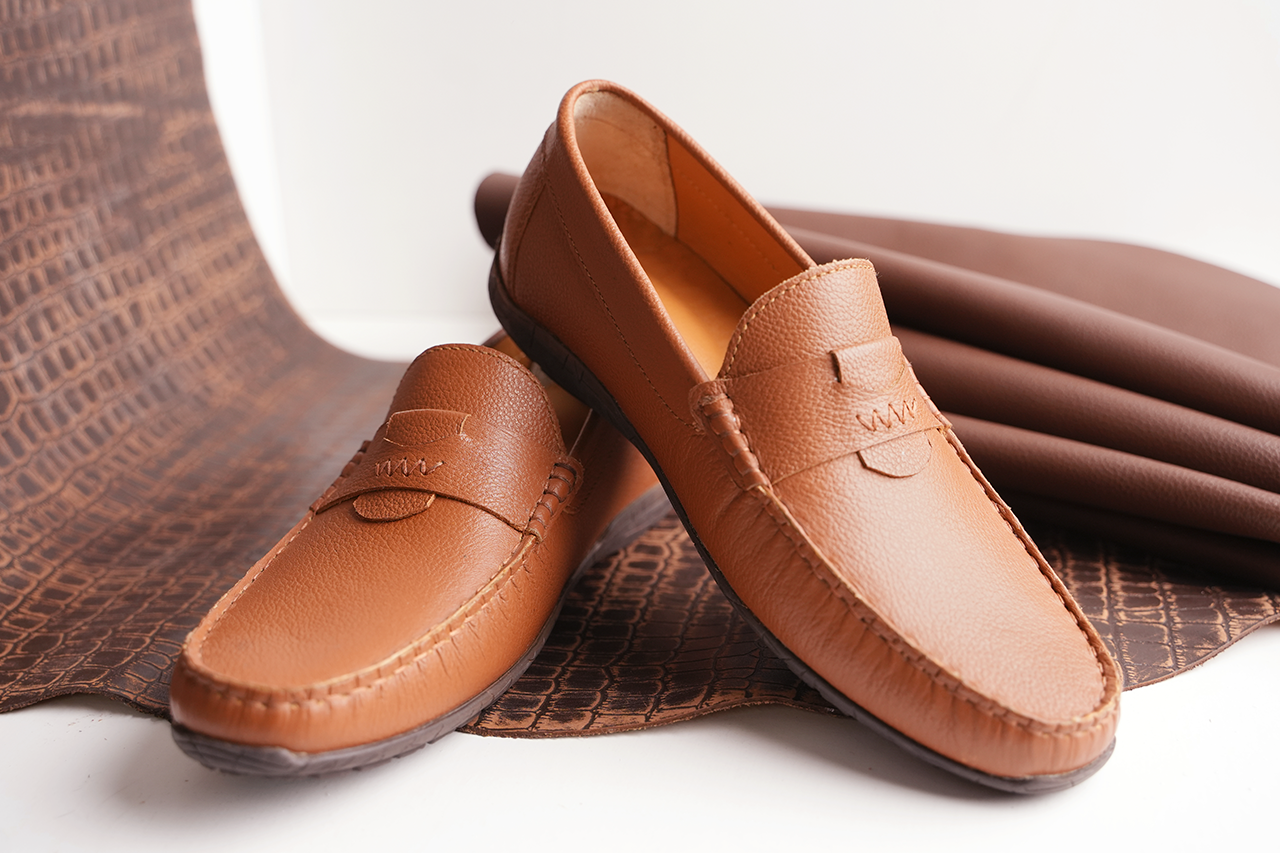
The design of modern wedges fixes this. The sole makes a smooth ramp from back to front instead of having a separate heel post. That one piece of engineered geometry changes the whole kinetic chain. The foot stays in a more relaxed plantarflexed position without the sudden drop that is common in traditional heels. The center of pressure stays closer to the midline of the foot throughout the gait cycle because the platform is wide and stable. Wedges lessen the shear forces that regular heels put on the metatarsal heads. This means less tiredness and much more stamina for all-day wear.
Weight Distribution: Evenly Spreading the Load. Any study of pressure plates will show you how different they are. In a classic stiletto, the back foot may only support 20–30% of the body's weight, while the front foot takes on the rest. Block heels make things a little better by making the heel strike area wider, but the midfoot still doesn't get enough attention. Wedges change the game. The gradual slope lets weight move smoothly across the whole plantar surface. The heel cup and midsole share the weight more evenly, so the front foot never has to bear the full weight. This even distribution is what makes wedges feel safe and stable instead of shaky.
Because there isn't a single hotspot compressing blood vessels hour after hour, your arches stay supported, your intrinsic muscles don't have to work as hard, and your circulation gets better.
In-shoe pressure mapping helps footwear engineers see where forces are strongest. When you first put your foot down on a traditional heel, it makes two distinct spikes: one under the heel and another, much bigger one under the ball of the foot when you push off. When you walk from one peak to the next, the change is sudden and jarring to the joints. Wedges make the whole curve smooth. Because the sole is continuous, the center of pressure moves forward in a smooth arc instead of jumping.
Compared to stilettos of the same height, peak pressures drop by as much as 40% under the metatarsals. That smoother mapping means less stress on the joints in the ankle, knee, and even lower back. Even though the wedge makes you a few centimeters taller, you walk more naturally.

Anyone who wears heels for long periods of time has ankle pain, but they don't say anything. The narrow base of a stiletto or block heel makes it easier for lateral forces to work. A small change in balance causes a lot of torque at the subtalar joint. Modern wedges make that lever arm much shorter. The wide platform under the whole foot acts like a built-in stabilizer that keeps the foot from rolling too far in or out.
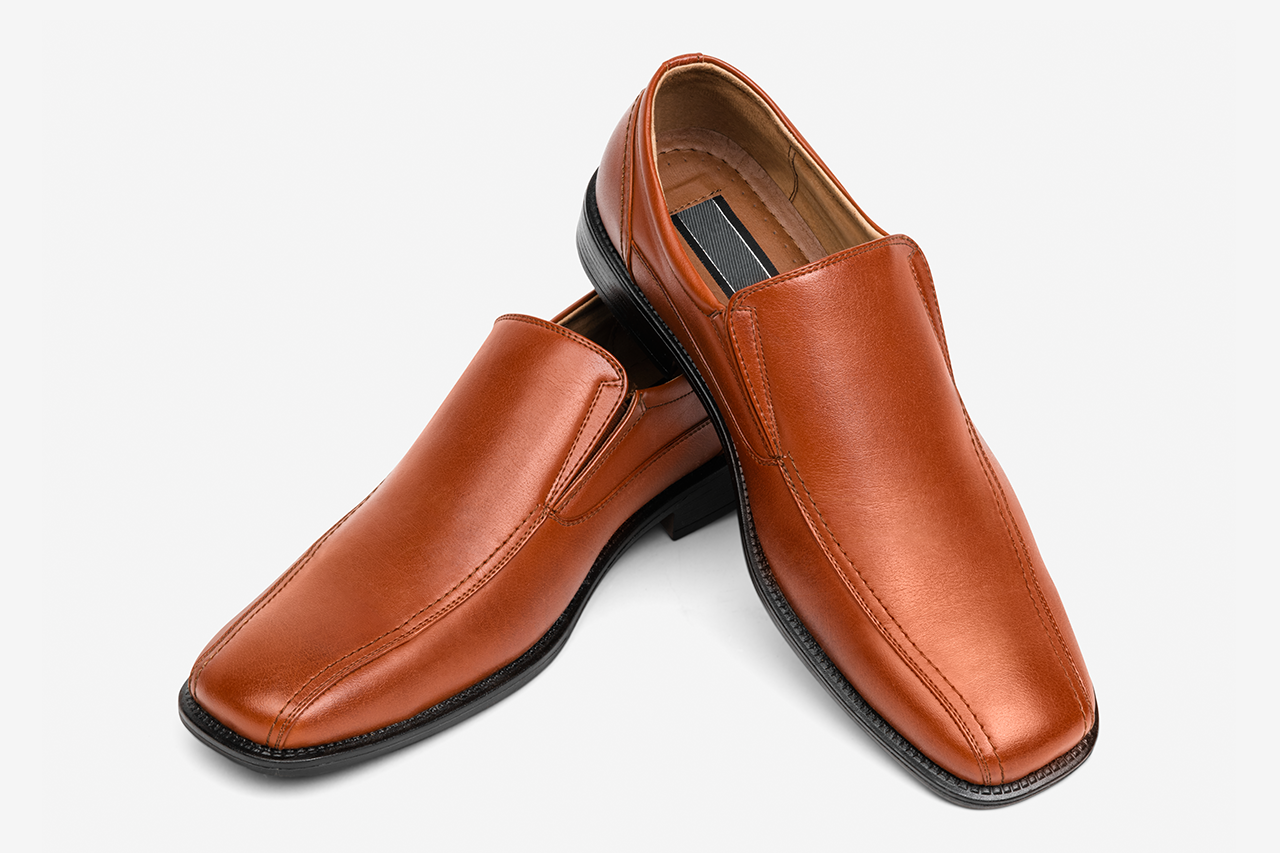
The ankle stays more In line with the rest of the body during the stride. The ligaments and tendons don’t have to deal with as much stress, and the proprioceptive feedback from the sole lets your nervous system know that the foot is safe. This means fewer small injuries over time and a lot less swelling at the end of the day.
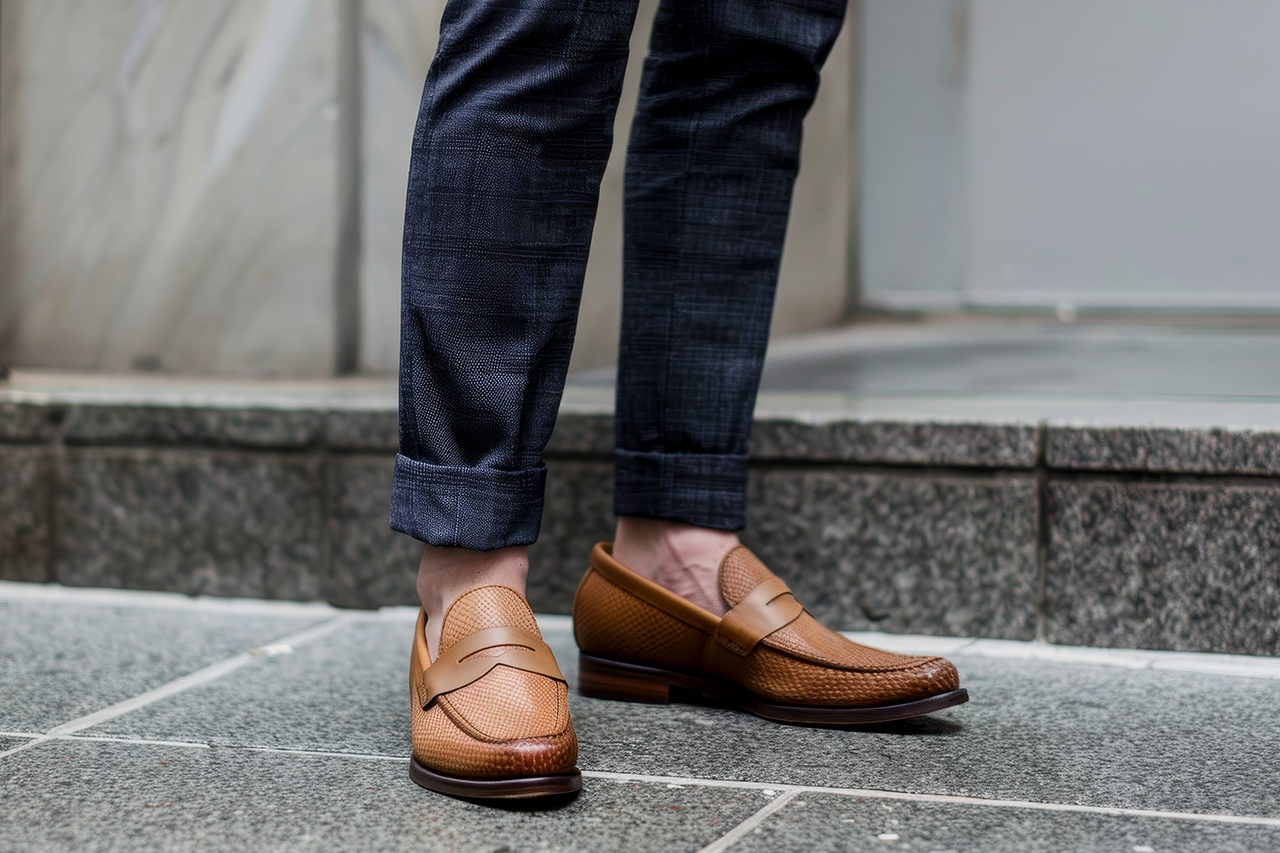
Put the three styles next to each other on a force plate, and the data will tell you what happened. Stilettos put a lot of pressure on a small area, which makes the highest peak pressures and the biggest ankle moment. Block heels make the back contact point wider and make the shoe a little more stable, but the forefoot still gets too much weight because the midsole doesn’t provide gradual support. Wedges are better than any other type of shoe when it comes to all-day comfort. Their continuous geometry lowers peak plantar pressure, shortens the ankle inversion moment arm, and keeps the heel-to-toe roll more natural. The difference is not small; it can be seen in lower muscle activation, lower fatigue scores, and higher reported comfort during eight-hour wear tests.
When you pick the right materials, the difference is even more clear. For example, leather wedges have a stable base and natural flex and breathability that synthetic materials don’t often have. Over time, the leather molds to the foot, which makes the weight distribution even better, which is what makes wedges so useful.
It doesn’t take a genius or a shoe expert or even a master in biomechanics to see the difference. Put on a well-designed pair of wedges in the morning, and by mid-afternoon, you'll notice a difference. Your feet stay cooler, your posture stays taller, and your energy doesn't drop when the clock strikes five.
The quiet brilliance of well-designed shoes is that they work with your body instead of against it. You can say the same when you wear them with casual sandals to weekend markets or dressy leather wedges to work. Wedges give you height without the extra cost that regular heels always do.
In the end, modern wedges aren't just a fad. They are a more intelligent way to think about shoes. They let you wear height comfortably from the first cup of coffee to the last evening walk by respecting the natural mechanics of the foot. They do this by carefully distributing weight, mapping heel-to-toe pressure, and using geometry that protects the ankle.
The stability benefit is real, can be measured, and once you feel it, you can't ignore it. Wedges are better for your feet than other shoes.