+61 234 567 8900
mail@shoesavvy.xyz
Get 10% Off
Flats are one of the few things that can be worn in many different ways and are very comfortable. These simple shoes have travelled from the elegant stages of ballet to the polished hallways of corporate offices, changing with the times and the requirements of society along the way.
It's interesting to see how flats have changed over time and how they have interacted with other types of shoes, such as boots, sandals, and more specialised types like ballet flats, flat sandals, flat shoes, and flat boots.
We will look at the long history of flats and how they became an important type of womens shoe. Flats have proven their worth time and again, giving a mix of flair and utility that ladies of all eras can appreciate. They look great with both a flowing dress and a tailored suit.
Flats, in all their incarnations, have always meant freedom from the limits of high heels, putting movement and comfort first. These shoes have changed over time to keep up with changes in society. They started as delicate ballet flats that caught people's attention and have now become sturdy flat boots that keep feet warm and supported.
The origin of flats starts in the rich palaces and theatres of 18th-century Europe, where dress and dancing went hand in hand. In the 1600s, during the Renaissance, men and women wore flat shoes with pointed toes to show their social rank. The longer the tip, the more noble the person.
But it was in the world of ballet that flats really took off. Ballet shoes first had heels in the 1680s, which was in line with the style of the French court under Louis XIV. These heeled versions were more about looks than function, making it harder for dancers to perform complicated jumps and turns.
After the French Revolution in the late 1700s, high heels fell out of favour because they were seen as a symbol of the aristocracy's excesses. The fact that Marie Antoinette was killed in heels only made this hatred stronger. Marie Camargo was a groundbreaking French dancer in the 1730s. She bravely danced on flat-soled shoes to be more comfortable and agile. Her choice made clothes lighter, skirts shorter, and tights, which set the stage for current ballet clothing.
As the 19th century began, new ideas like Charles Didelot's "flying machines"—early pointe shoes with wires attached—pushed the limits. However, flats were still necessary for training and some performances. Italian shoemakers added materials like newspaper and pasteboard to pointe shoes to strengthen them, but the simple flat slipper remained the base. Flats became symbolic of freedom in dance at this time, in contrast to the stiffness of boots and heels. Women were starting to wear these ballerina flats outside of the theatre, but the seeds were planted for flats to grow beyond the stage.
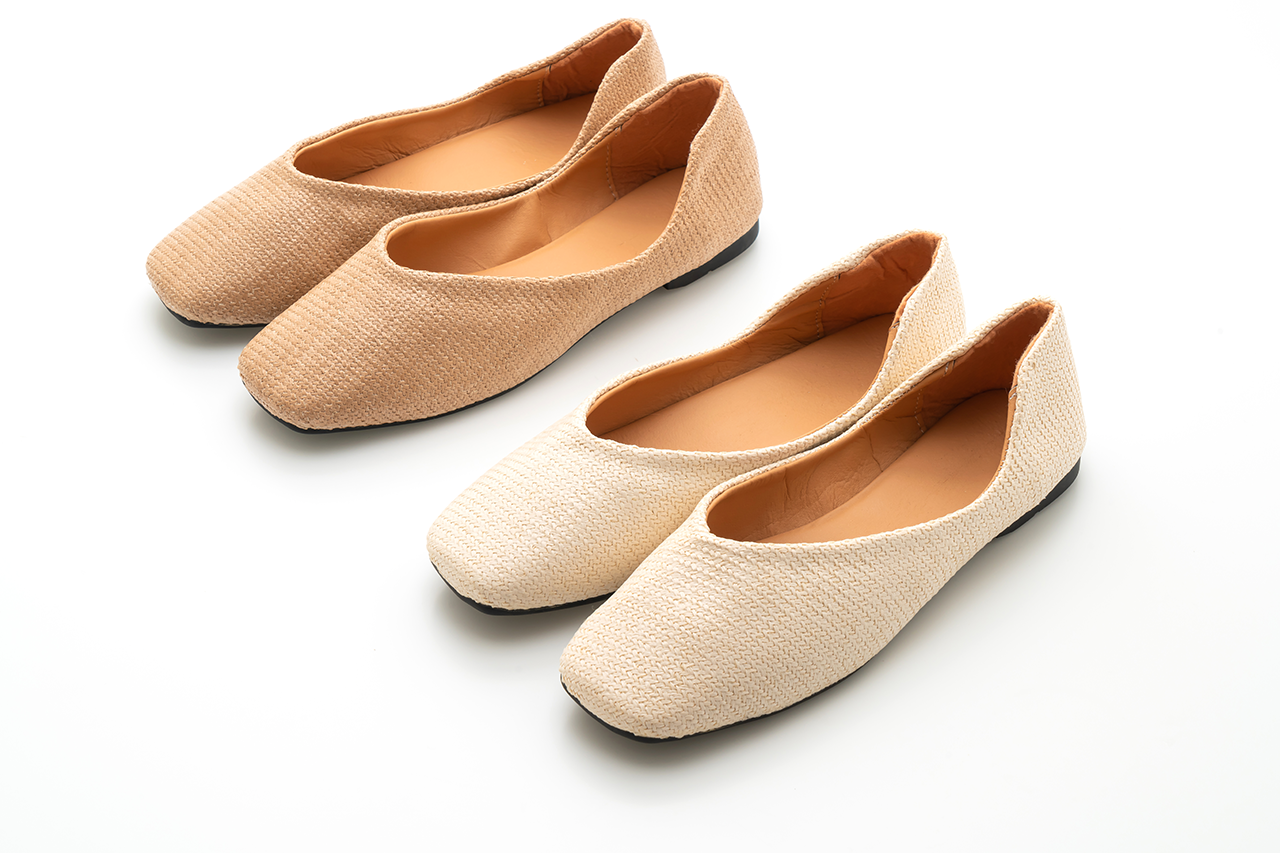
In the early 1900s, flats shifted from specialised dancewear to everyday wear due to practical needs and the emergence of new fashion designers. In the 1880s, Italian cobbler Salvatore Capezio founded a business near New York's Metropolitan Opera House. He specialised in making and fixing long-lasting ballerina slippers. His new ideas reduced the need for repairs, and by 1910, famous ballerina Anna Pavlova was buying shoes for her whole company, which made flats more popular in the dance industry.
Rose Repetto in France started making ballet flats by hand for her son, dancer Roland Petit, by the end of the 1940s. People at the Paris Opera Ballet liked her designs because they were more comfortable and offered greater flexibility. During this time, flats represented post-war practicality. Women who were rebuilding their lives after the war wanted shoes that were both comfortable and stylish.
Flat sandals became popular in the summer because they let air in, and flat shoes in general became a symbol of the casualisation of fashion. Flats from this time period crossed the gap between sports and fashion, paving the way for their ascent to fame in popular culture.
As the 1970s went on, flats changed to fit the bohemian style of the time. Princess Diana liked them in her early public appearances. She wore flat sandals to garden parties and flat shoes to casual outings. During the disco era, flats evolved with the addition of buckles and straps, competing with platform boots while retaining their grounded appeal. Womens liberation movements made the need for comfortable shoes even stronger. Flats were a way for women to feel empowered, since they let them go about their lives without the literal elevation of heels. By the end of this period, flats had become part of mainstream culture and influenced everything from street style to runway presentations.
Flats changed a lot in the 1980s and 1990s as fashion embraced a mix of styles and usefulness. Women in the corporate sector used to wear stiletto pumps to dress for power, but flats slowly made their way into boardrooms as women put comfort first during long workdays. People liked flat boots because they could be worn in many different ways.
They protected people in cities and looked great with skirts or pants. In the early 2000s, celebrities like Amy Winehouse wore worn-in pink satin ballet flats that combined retro appeal with a new edge.
Flats became less fashionable for a short time during the Y2K era when chunky platforms and strappy sandals became more popular. But because they are so useful, they came back in style in the 2010s. Taylor Swift and Rihanna wore flats on the red carpet, showing that they could compete with fancy heels. Flat sandals made from eco-friendly materials became popular, and simple designs fit well with the athleisure trend. Womens fashion publications said that flats are must-haves because they can be worn for vacation, errands, or going out at night.
This time also saw new design ideas: brands tried cushioning insoles and arch support, making flats comfortable enough to wear all day. Flat boots offer waterproofing that's great for wet weather, while ballet flats feature upgrades like metallic finishes. As globalisation changed fashion, flats took on cultural characteristics, such as Moroccan-inspired flat sandals and Scandinavian minimalist flat shoes. Flats had become a must-have by the turn of the millennium. This was part of a larger trend toward comfortable, inclusive fashion for women worldwide.
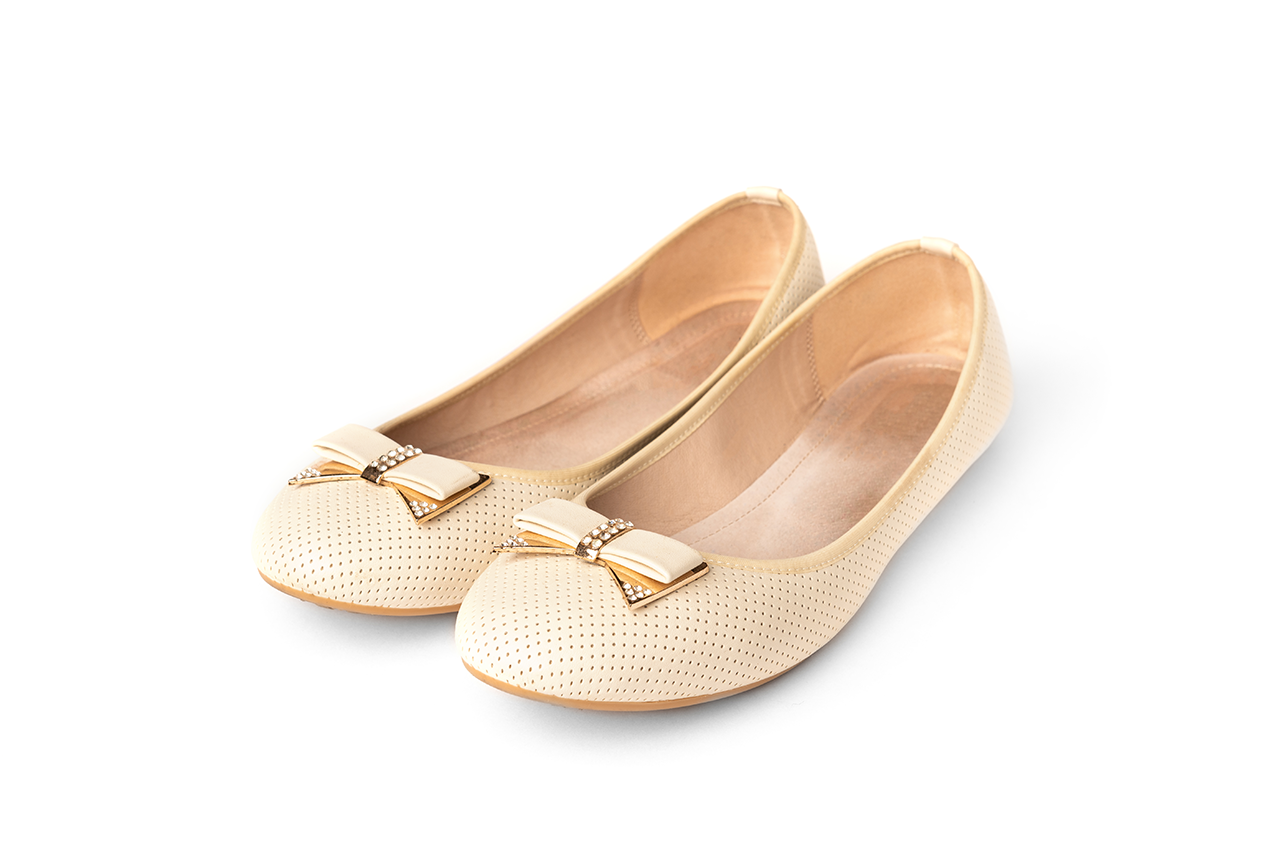
Flats have become a must-have for professionals in the 21st century. They are the perfect blend of style and substance in modern womens workwear. During the workwear revival of the 2010s, thin jeans and blazers were often worn with ballet flats to seem polished without being uncomfortable. Meghan Markle and Katie Holmes have been seen wearing sleek flat shoes, which makes them more common in high-profile settings. The "Balletcore" fashion of the 2020s, which features bows, tutus, and tights, has sparked renewed interest in classic ballerina flats. Brands like Miu Miu started making strapped versions in 2016.
There are many different types of flats available nowadays, from eco-friendly flat sandals manufactured from recyclable materials to robust flat boots for winter commutes. Sustainability pushes new ideas; for example, Birdies uses repurposed satin and latex to make attractive, comfy shoes. Flats show confidence in the boardroom; women no longer have to wear heels to get respect. Flat shoes with small decorations add a touch of flair to suits, while flat boots are a more grounded option than knee-high versions.
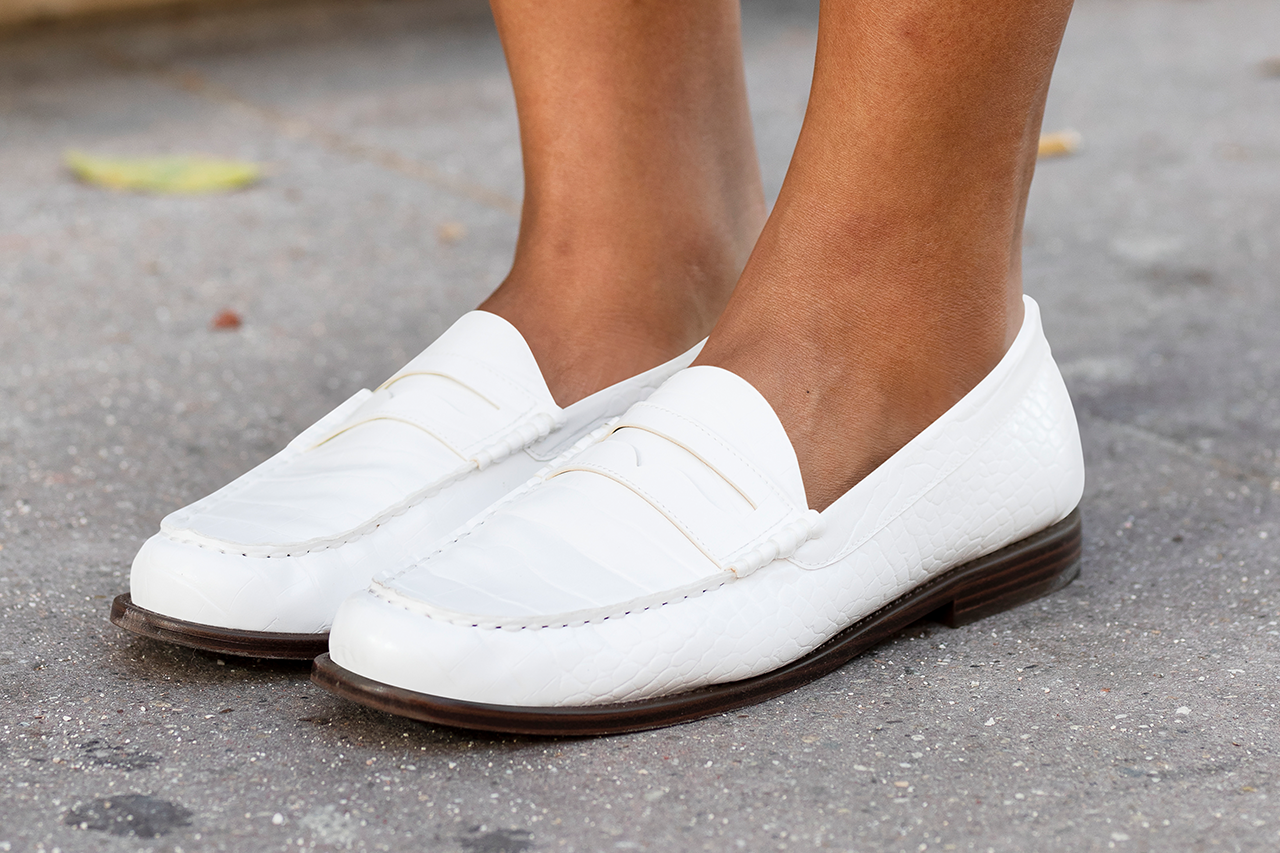
The evolution of flats will continue to provide new ideas, with technology making them more comfortable and stylish. Smart materials could be built into flat shoes, allowing apps to offer personalised fits. At the same time, ecological techniques will replace traditional methods, making flat boots and sandals less harmful to the environment. Women's clothing will likely offer more sizes and styles that fit a wider range of body shapes and needs.
Flats will keep breaking down prejudices, showing that power doesn't need to be raised. As hybrid work models become more common, flats will connect the casual and business worlds. They might even have modular parts that let you move from flat sandals to closed-toe shoes. Flats will always remain in style since they can be worn in so many different ways, from ballet to the boardroom.