
+61 234 567 8900
mail@shoesavvy.xyz
Get 10% Off
Comfort shoes are a category of footwear designed with one primary goal: to afford body support while minimising the strain on other parts of the body, including the legs, feet, and back. These shoes aren't like fashion-centric designs because they put a premium on attributes like practicality, style, and, function. This equilibrium is achieved with the integration of cushioned soles, breathable materials, supportive arches, and highly flexible soles. The idea is to adapt to the feet's natural movement.
The term "comfort shoes" might sound modern, but the idea has been around for centuries. People have always sought ways to make walking, standing, and working less punishing on the body. In the modern setting, comfort shoes are no longer exclusive to medical necessity. In fact, it has effectively become a lifestyle option for people who put a premium on long-term wellbeing.
There's no telling when people started to wear shoes with comfort as utmost priority, but it's safe to say that these shoes showed up during the industrial era. It made sense because the extended hours of labor meant that workers should have been wearing footwear that was not only sturdy but also forgiving to the feet.
Fun fact: Did you know that medical knowledge advancements as well as innovation have brought attention to the link between poor footwear and chronic conditions such as back pain, bunions, and plantar fasciitis
It wasn't until the middle part of the 20th century when shoe companies started to tweak their products, particularly with ergonomics. At this point, the priority was comfort, albeit a dash of durability. This shift was particularly important for women, who were often expected to wear restrictive heels. The rise of comfort shoes offered women an alternative that supported their health without sacrificing style.
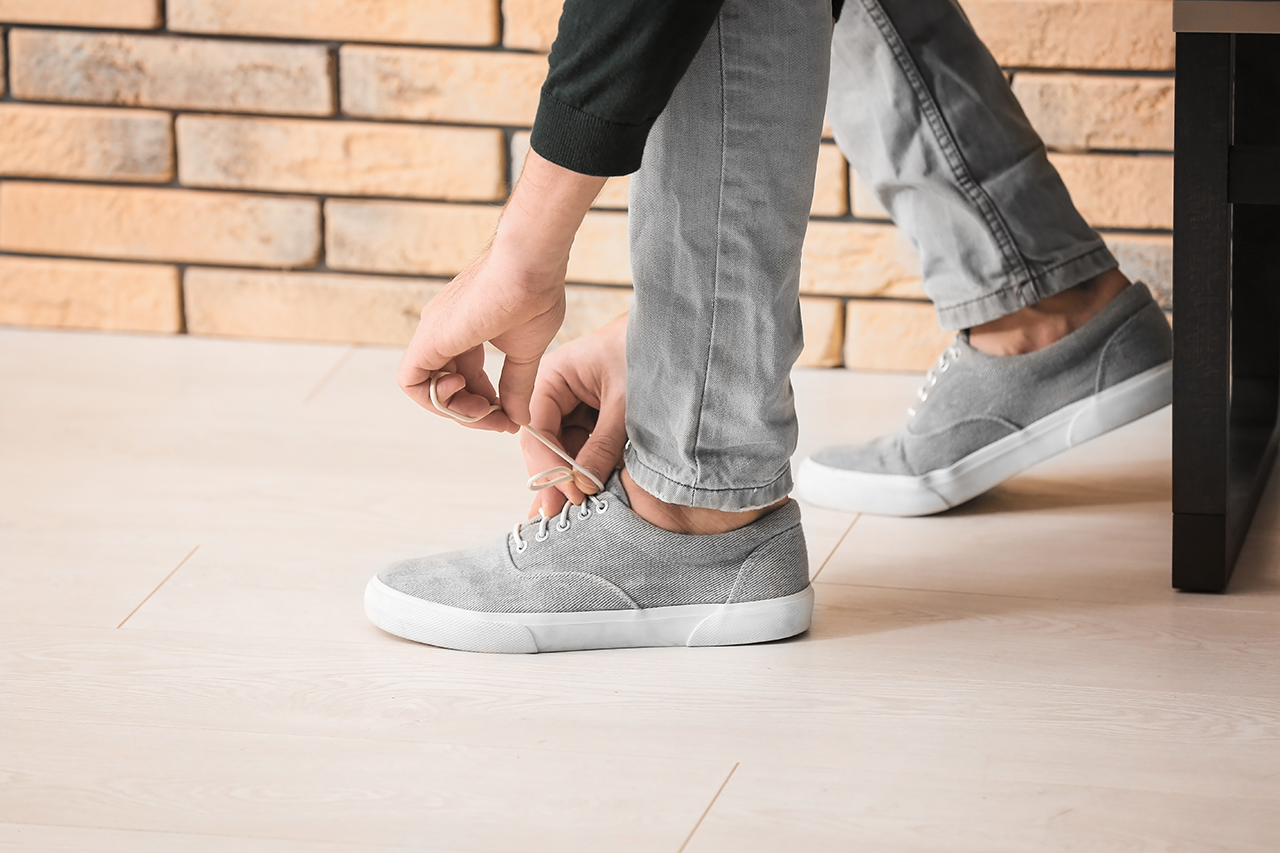
There's no shortage of "interesting" when it comes to how comfort shoes came to be, particularly in its cultural path. For example, they became associated with practicality in the 70s and 80s. This is highlighted by brands opting for orthopaedic designs, which in turn, became quite popular among adults. Nonetheless, it took another decade for these comfort shoes to eventually become part of mainstream fashion.
Designers realised that comfort and style did not have to be mutually exclusive. Sneakers became a cultural symbol of casual cool, while flats and sandals were reimagined with cushioned soles and supportive straps.
But these days, it's no longer surprising to see comfort shoes being worn by literally everyone. That list includes professionals and healthcare workers as well as women and athletes.
One of the strongest drivers behind the development of comfort shoes has been medical necessity. Doctors and podiatrists have long recommended supportive footwear for patients who are suffering from chronic pain or recovering from injury. Medical research shows that poorly designed shoes can lead to long-term issues with posture, circulation, and joint health.
Comfort shoes address these concerns by incorporating features such as:
For many women, comfort shoes have been life-changing, offering relief from the long-standing expectation of wearing high heels. The shift towards healthier footwear has also influenced the broader market, making comfort a standard rather than a luxury.
Comfort shoes are not a single style but a broad category. It typically includes many types of footwear. Each type serves a different purpose, but all share the same commitment to support and ease.
Flats are a staple in womens wardrobes. They are considered a highly a versatile option for both casual and professional settings. Modern comfort shoes in the flats category often include cushioned insoles and flexible soles, making them suitable for long hours of wear. Unlike traditional ballet flats, which can be unsupportive, comfort-focused flats prioritise foot health without losing elegance.
Sneakers are perhaps the most recognisable form of comfort shoes. Originally designed for sport, they have become everyday footwear for people of all ages. Sneakers combine cushioning, breathability, and shock absorption, making them ideal for walking, commuting, or simply running errands. For women, sneakers have become a go-to option that blends fashion with practicality.
Sandals are another important category of comfort shoes, particularly in warmer climates. Unlike flimsy designs that offer little support, comfort sandals feature contoured footbeds, adjustable straps, and durable soles. They are especially popular among women who want breathable footwear that doesn’t compromise on comfort.
Medical comfort shoes are designed specifically for individuals with health conditions that affect mobility. These shoes often include orthopaedic features such as removable insoles for custom orthotics, extra depth for swollen feet, and non-slip soles for safety. While once considered purely functional, many medical comfort shoes now come in stylish designs that allow women to feel confident while addressing their health needs.
The relationship between women and comfort shoes is particularly significant. For decades, women were expected to prioritise appearance over comfort, often at the expense of their health. The rise of comfort shoes has challenged this expectation, offering women the ability to choose footwear that supports their bodies while still looking stylish.
In professional environments, comfort shoes such as flats and sneakers have become widely accepted, reflecting a cultural shift towards valuing wellbeing. For women balancing work, family, and social commitments, comfort shoes provide the reliability needed to move through busy days without pain.
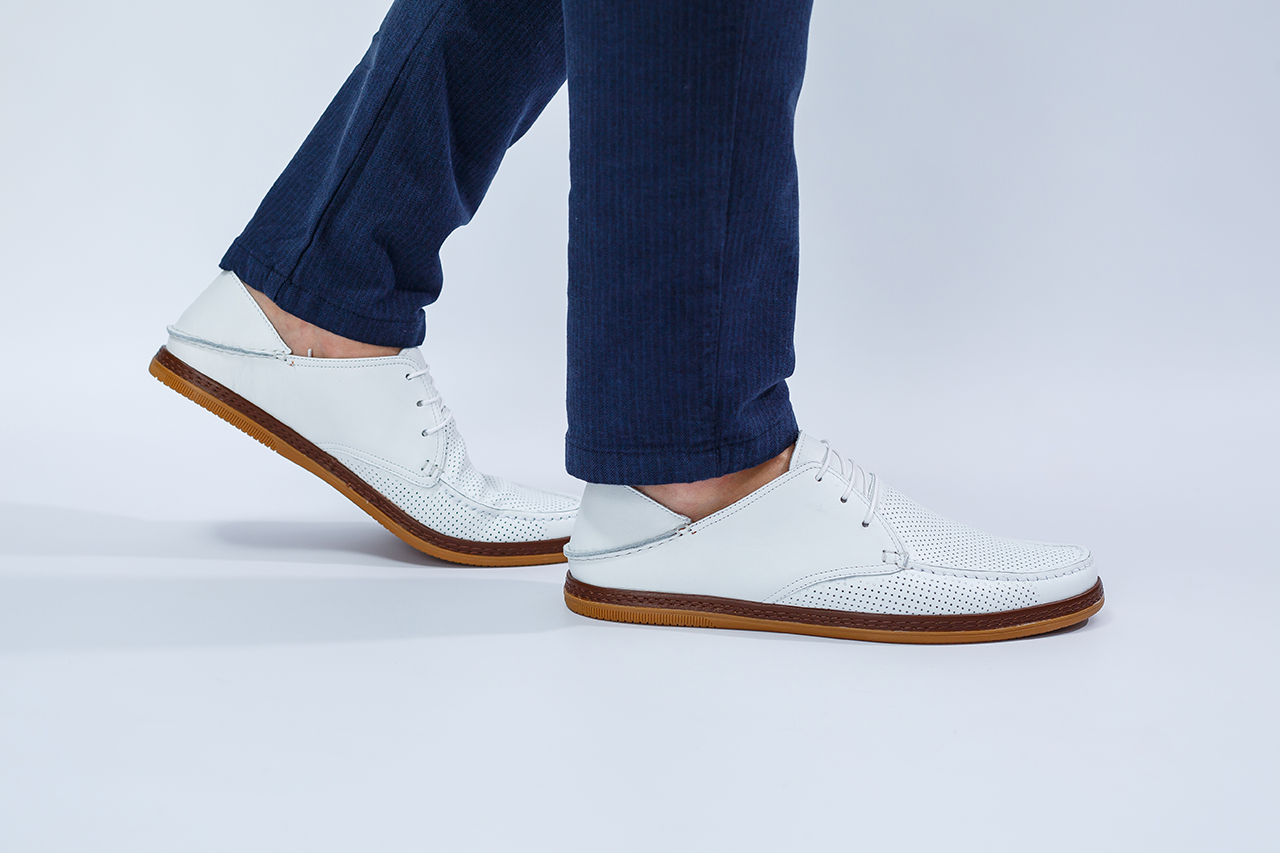

Comfort shoes are no longer confined to medical contexts or niche markets. They have become an everyday essential for people across all walks of life. Whether it’s a woman shopping for sandals during a seasonal sale, a healthcare worker relying on supportive sneakers, or a retiree choosing flats for daily walks, comfort shoes are part of the fabric of modern living.
Comfort shoes' popularity is a showcase of a cultural trend that leans towards wellness. It's no secret that people are becoming increasingly conscious with diet, mental health, and the like. But footwear has become synonymous with long-term wellbeing, too. Comfort shoes are not just about avoiding pain; they are about investing in a healthier future.
When people shop for comfort shoes, they are often looking for more than just a pair of shoes. They are seeking a solution to everyday challenges—whether it’s standing for long hours, walking long distances, or managing a medical condition.
The market for comfort shoes has expanded significantly, with options available for every budget and style preference. Seasonal sales often highlight comfort footwear, making it easier for women to find supportive flats, sneakers, or sandals at accessible prices. The ability to shop for comfort shoes online has also made them more widely available, ensuring that people can access the right footwear no matter where they live.
The future of comfort shoes looks promising. Advances in materials science and design are leading to even more innovative footwear. Memory foam insoles, lightweight yet durable soles, and eco-friendly materials are becoming standard features.
For women in particular, the growing emphasis on comfort reflects a cultural shift towards empowerment and choice. No longer limited to restrictive footwear, women can now select comfort shoes that align with both their health needs and their personal style.
As the market continues to grow, comfort shoes are likely to become the default rather than the exception. Just as sneakers have become a fashion staple, other types of comfort footwear are poised to dominate wardrobes worldwide.
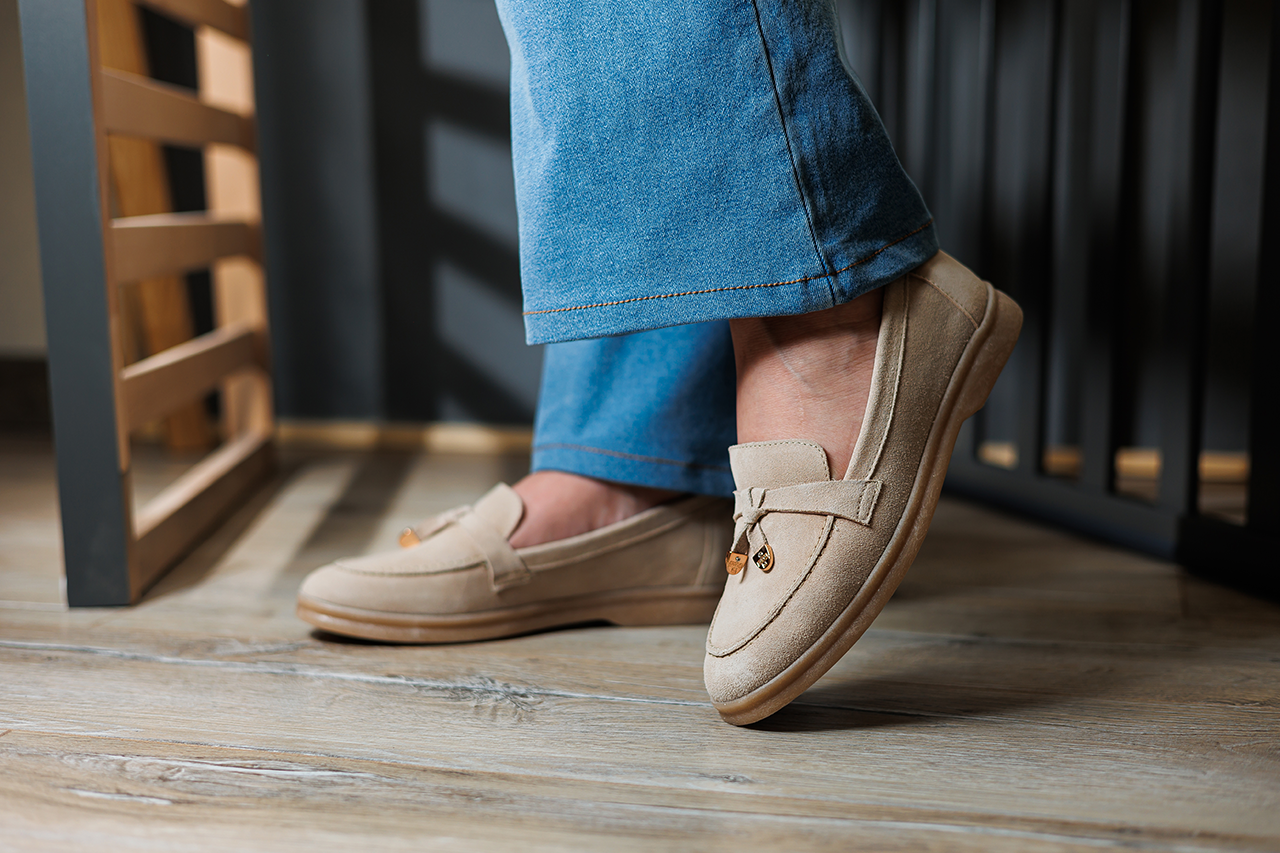
It's safe to say that comfort shoes were once designed to respond to a certain necessity. At first, they were meant to address medical needs. Over time, they have evolved into a cultural symbol of balance between style and wellbeing.
Comfort shoes, be it sneakers, sandals, or flats, serve an array of purposes. They are worn by women and men alike, across professions and lifestyles, reflecting a universal need for supportive, reliable footwear.
The increased awareness in wellness is what contributes to the popularity of comfort shoes. This footwear type reminds all of us that our feet deserves comfort as they're part of our long-term health.