+61 234 567 8900
mail@shoesavvy.xyz
Get 10% Off
You're not the only one who has stood barefoot in a store aisle, tried on a pair of sandals that looked great on the shelf, and then felt your arches ache or your heels rub raw after one walk.
Every week, I see the same thing as a shoe consultant who has spent years studying how feet move. People don't pay attention to their own biomechanics; they follow trends. What happened? Discomfort that grows slowly, step by step, until sandals stop feeling like a treat and start feeling like work.
Most people don't know that the truth is simple. When you choose between minimalist and cushioned sandals, it's not about fashion; it's about how your foot pronates, the height of your arch, and where pressure goes when you walk. If you do this right, sandals will feel like a natural part of your movement. If you don't get it right, even the best-looking pair will work against you.
Your foot mechanics don't change, even though trends do. A high-arch foot that barely bends needs different support than a low-arch foot that rolls inward (overpronates). A lot of people end up with tired feet, sore knees, or that familiar burning feeling under the ball of the foot because they don't pay attention to this.
Instead of asking, "What's in style?" ask, "What does my foot really need?" Three main things explain the answer: pronation, arch height, and pressure distribution.
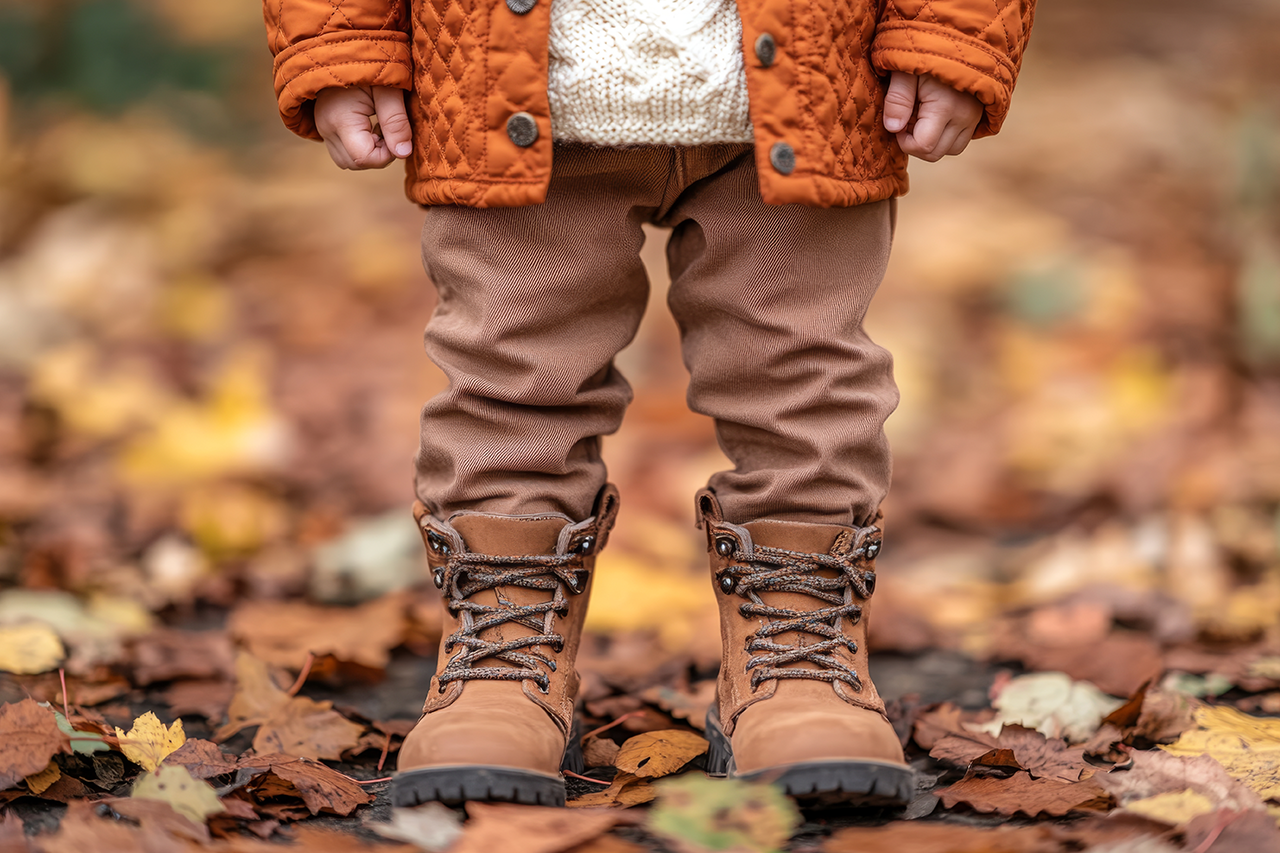
When your foot lands, it rolls in a certain way. Overpronation is when our foot collapses too much on each step. This shows up in sandals as wear on the inside edges and tired arches. A smaller group underpronates (supinates), which means they roll outward and put more stress on the outer edge and little toe. People who are neutral pronators are the lucky ones who roll just the right amount.
Minimalist sandals are best for people who don't have a lot of underpronation or who have mild underpronation. They let the foot move in a way that is natural for it, without fighting its own pattern. On the other hand, cushioned sandals give overpronators the gentle control they need to stop the inward collapse before it puts too much strain on the whole chain up to the knee.
Once you know what to look for, it's easy to see the height of an arch. Wet your foot and then step on concrete. If you have a full footprint, your arches are low or flat. A thin band down the middle means high arches. Arches that are medium fall in the middle.
Low arches often go along with overpronation, and cushioned sandals are the best way to keep the foot from flattening out completely. High arches are usually stiff, so sandals that are simple and let the foot spread out and absorb shock on its own are good for them. People with medium arches are the most forgiving and can usually wear either style comfortably.
Walk on a soft surface and pay attention to where you feel the most pressure. Some people feel it in their heels, some in their forefoot, and a few right across the middle of their foot.
Cushioned sandals with extra padding in the forefoot stop hot spots and tiredness when pressure builds up under the ball of the foot. Minimalist sandals help you roll through more evenly and lessen the jarring impact if you feel it mostly in your heel. When you get this match right, everyday sandals go from being something you complain about to something your feet actually thank you for.
Minimalist sandals have very few straps and a thin sole. They let the intrinsic muscles in your feet work the way they were meant to. They work well for people with medium to high arches and neutral or mild supination.
They reward feet that already move well because they don't have much built-in correction. These sandals feel light, responsive, and almost like you're not wearing anything at all, which is what many active walkers want.
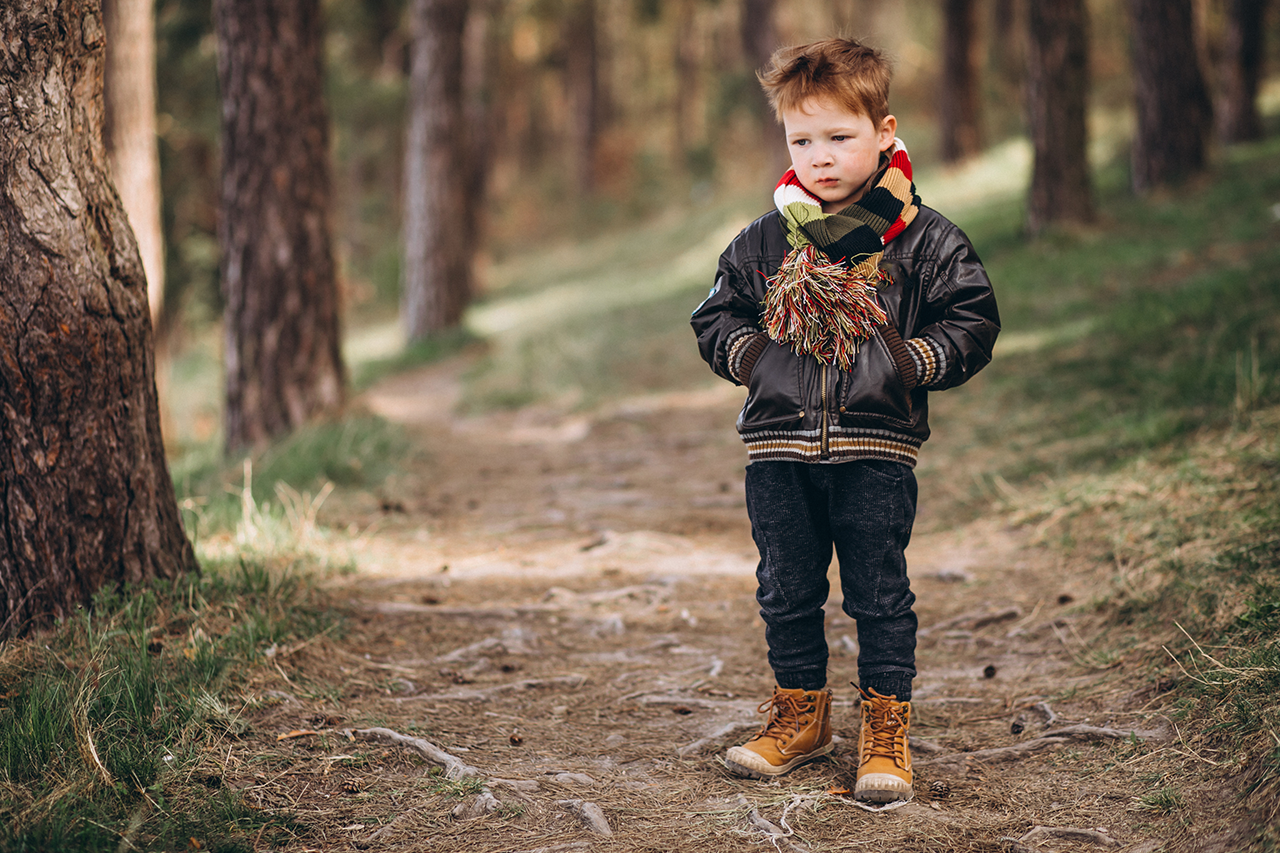
Cushioned sandals have extra foam or gel under the footbed. They absorb shock and gently bring feet that are overpronating back into line. They are the better choice for people with low arches, more pressure on the front of the foot, or who stand or walk for long periods of time.
Extra padding doesn't mean that it's heavy or clunky. Modern designs keep them light while still giving you the stability your biomechanics need.
Once you know what kind of foot you have, choosing a style is easy. Many neutral feet can wear thong sandals because the single strap between the toes helps them grip naturally. Slides are great for quick trips when you want to be able to put them on and take them off easily without losing comfort. When the footbed matches your arch height and pressure pattern, even flats can feel good.
The most important thing is to never force a trendy shape onto the wrong foot. If you have a high arch foot and wear a sandal with a lot of curves and cushioning, it will feel like you're fighting the shoe all day. A low-arch foot will get tired quickly in a completely flat minimalist pair.

The biggest mistake I see is buying footwear or sandals that feel good in the store for the first five minutes. Before you make a choice, stand, walk, and even do some heel raises. Another mistake is thinking that all cushioned sandals are "supportive" or that all minimalist sandals are "healthy." You are still guessing if you don't check your pronation and arch.
A quick self-check at home, like a wet-foot test and a short walk in old shoes, will tell you much more than any influencer's advice.

Don't look at the trendy displays next time you need sandals. Instead, pay attention to how your foot lands, rolls, and spreads its weight. When you know how your body works, it's easy to choose between minimalist and cushioned.
Your feet already know what they need. The right sandals either get out of the way or give you just the right amount of support so you can walk farther, stand longer, and finish the day without feeling tired in your feet.
It's not about which pair looks the best on the shelf. It's about the pair that fits your body well instead of against it. When you pick sandals this way, comfort isn't just a happy accident; it's something you can count on every step.