+61 234 567 8900
mail@shoesavvy.xyz
Get 10% Off
At some point during every big day, things change. The dress, the venue, and the pictures are all about the vision up to that point. Then the hours go by, and all of a sudden, the focus changes from how the shoes look to whether they can actually carry you through the wedding.
After years of reading about shoes and talking to podiatrists, one thing stands out: most shoes that are sold for the aisle don't hold up in real life. They look perfect in the box, but after 12 hours of standing, walking, and dancing, they fall apart. The difference isn't in the style; it's in the science, like how the cushioning works, how the pressure is spread out, how the toe box is shaped, and how the straps are made.
The best ones are made to work with how feet really move, not just how they look. That's why smart brides are looking for wedding shoes that are comfortable enough to wear on a regular Tuesday through midnight.
No matter the weather in Adelaide, bad shoe design will make a long day even worse. Plantar pressure studies show that high heels shift your body's centre of gravity forward, increasing pressure on the forefoot by up to 40% for every extra centimetre of height. Shoes that look good in the mirror don't always feel good after six hours. Instead of following trends, the best performers focus on airflow, shock absorption, and natural alignment.
Podiatrists keep saying that the shoes that cause the most problems are those that lack enough cushioning in the forefoot. Memory foam or gel inserts that fit the shape of the foot can lower peak pressures under the metatarsal heads by 20 to 30 percent, making hot spots into areas of even load. Instead of just flashy finishes, the focus is on how the foot feels throughout the year—or, in this case, throughout the whole celebration.
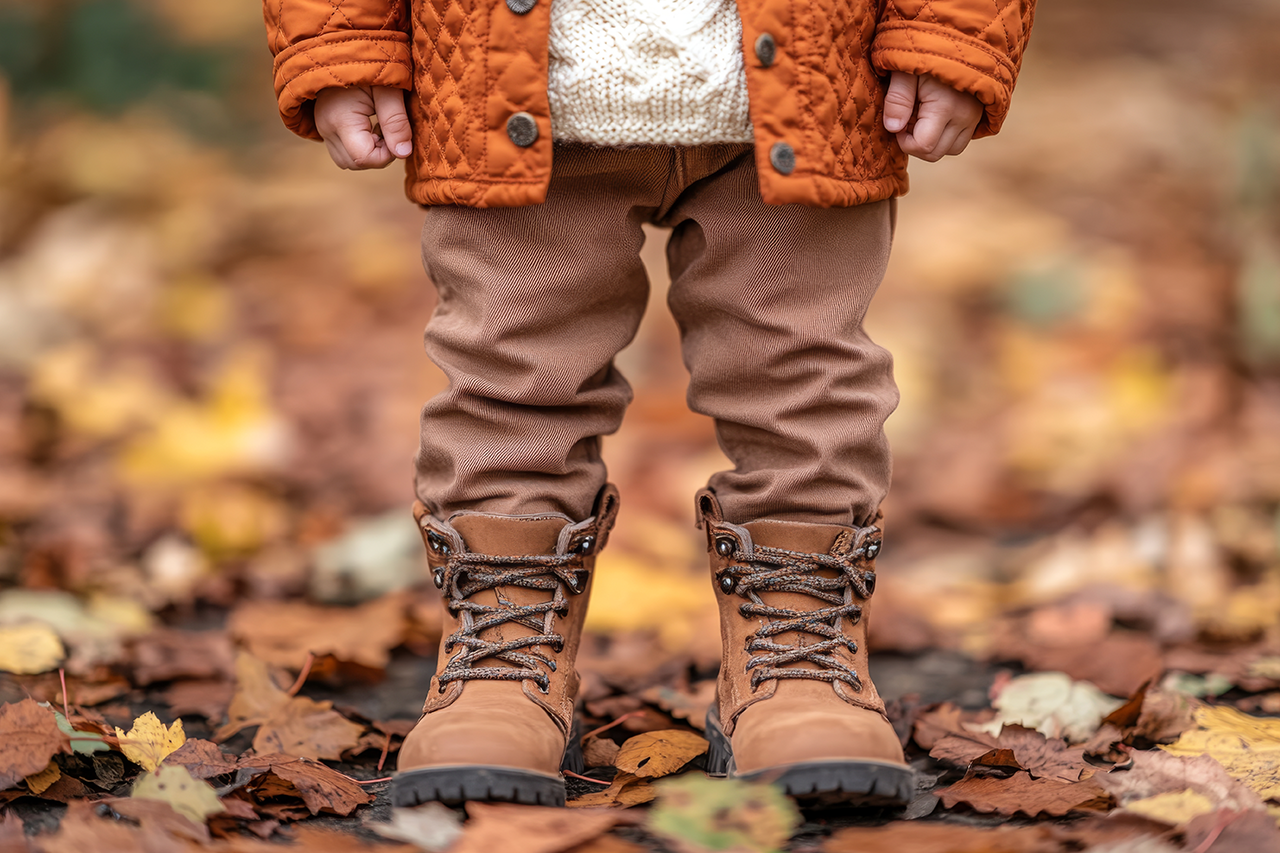
Modern cushioning is more than just soft padding; it's designed to return energy. Materials like Poron or supercritical foams absorb impact and then bounce back, just like the midsoles in performance running shoes, but they are made to fit dress shapes. Studies show that these technologies lower ground reaction forces and delay fatigue, which means you can stay upright longer without feeling like your feet are burning.
A good insole doesn't stop at the heel; it extends to the toe, spreading weight and supporting the arch to help prevent plantar fasciitis from getting worse. One piece of advice that podiatrists always give is to test the cushion by pressing your thumb firmly into the ball of your foot. You're on the right track if it compresses a lot and then springs back. No matter how nice they look, shoes that don't have this kind of durability won't last.
Here's where the data breaks the biggest myth: not all heels can handle the same amount of load. Traditional stilettos put a lot of pressure on a small area of the forefoot, which makes pain and instability worse. Heels that are thicker, platforms, or even small wedges help to distribute that pressure more evenly across the whole sole. This lowers the effective angle and makes it easier on the knees and spine.
Research employing in-shoe pressure mapping demonstrates that a minor posterior adjustment in wedge angle or enhanced arch contouring can reduce heel peak pressure by 11-12 percent. What happened? Less forward slide, less pain in the arches, and the ability to keep moving when others are reaching for flats. You don't have to give up height completely; you just have to pick designs that work with the foot's natural biomechanics instead of against them.
In pictures, narrow, pointed toes might look elegant, but they put the forefoot in an unnatural position, which over time puts pressure on nerves and joints. Podiatrists say that a wide, rounded toe box that lets the toes spread out naturally is best, especially after hours of swelling. This simple ergonomic choice stops blisters, bunions, and those awful "hot spots" that make dancing feel like a workout.
The best designs give toes just enough room to move without sliding forward. Leather or stretch fabrics that mould gently, like satin, are much better at letting the foot expand naturally throughout the day than stiff synthetics. You have to be comfortable from the first step; any rubbing in the store will only get worse under pressure.
Straps are not just for looks; they are biomechanical anchors. Ankle or T-bar straps keep the foot from sliding forward into the toe box, which greatly reduces toe compression. Adjustable designs keep things safer without being too tight, and heel cups with subtle curves keep the back of your foot in place. This design cuts down on the tiny movements that cause blisters and tiredness so that you can stay steady even on uneven grass or dance floors.
If you choose bridal flats, bridal heels, satin bridal shoes, a mule bridal shoe, or white high-heeled shoes, the right straps will keep you from slipping and give you the support you need.
It doesn't just happen that the day stops feeling like a performance and starts feeling easy. It comes from early choices based on research: honest talks about your routine, changes to your layout (or foot shape), and experience that goes beyond looks. When you work with designs grounded in podiatric knowledge, the focus isn't just on how they look. It's about how the shoes work when the music stops, and you go back to your normal life.
After the last dance and the last pictures, what really matters is simple: at the end of it all, you should walk through the door and feel supported, exactly where you should be.
The best wedding shoes aren't the ones that look great right away. They are the ones who keep working quietly in the background, getting you through every moment without needing attention. That's why picking out the right wedding shoes for your big day is so important.